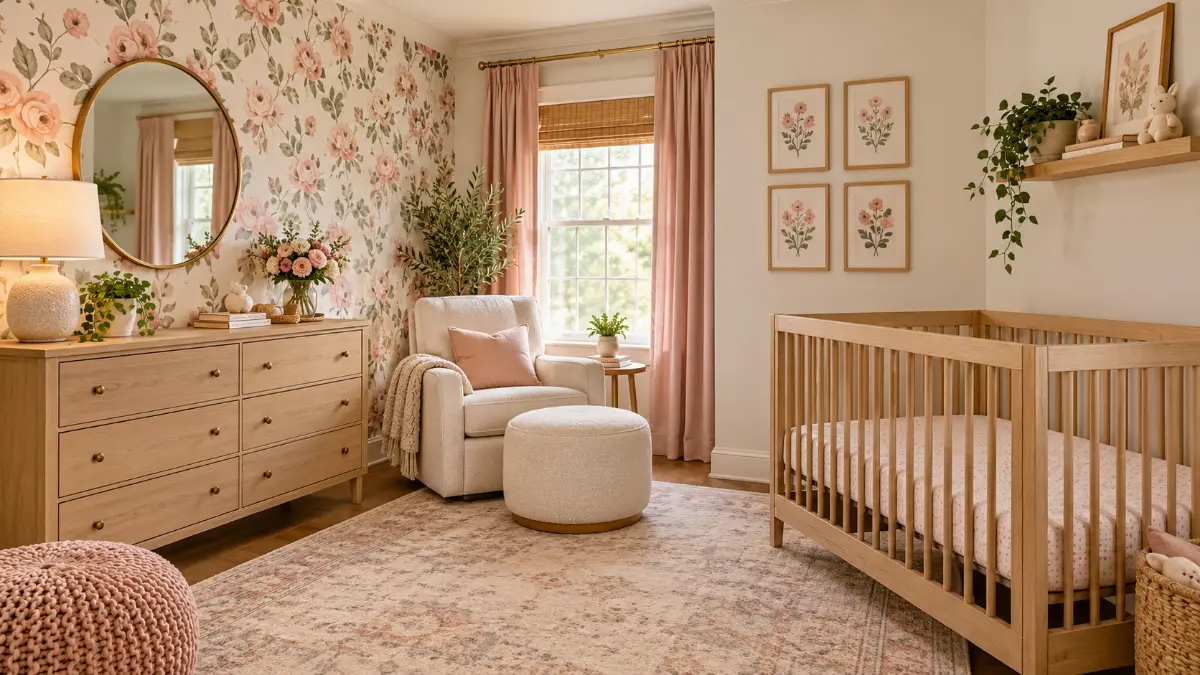
Quick answer:
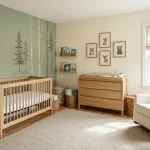
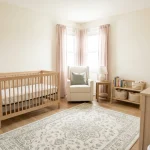
Girl nursery wall decor can include floral wallpaper, framed illustrations, personalized name art, painted arches, botanical prints, and soft color-blocked walls. The best choice depends on your room’s size, furniture placement, decorating style, and budget. For a coordinated look, choose one main wall feature and a small, consistent color palette. Keep shelves, frames, hanging decorations, and anything that could fall or become reachable away from the crib.
A nursery wall can do more than provide a background for furniture. It can introduce color, define a reading corner, make a small room feel more organized, or give the space a personal touch.
But decorating every wall isn’t necessary. A single well-placed piece of artwork or a carefully chosen paint treatment can have more impact than an entire collection of accessories.
Before selecting decorations, consider where the crib, dresser, and feeding chair will go. These pieces determine which walls are suitable for artwork and which should remain clear.
The following ideas offer different approaches, from simple framed prints to more permanent wall treatments, so you can create a nursery that feels inviting without sacrificing everyday practicality.
1. Floral Wallpaper for a Soft, Romantic Nursery
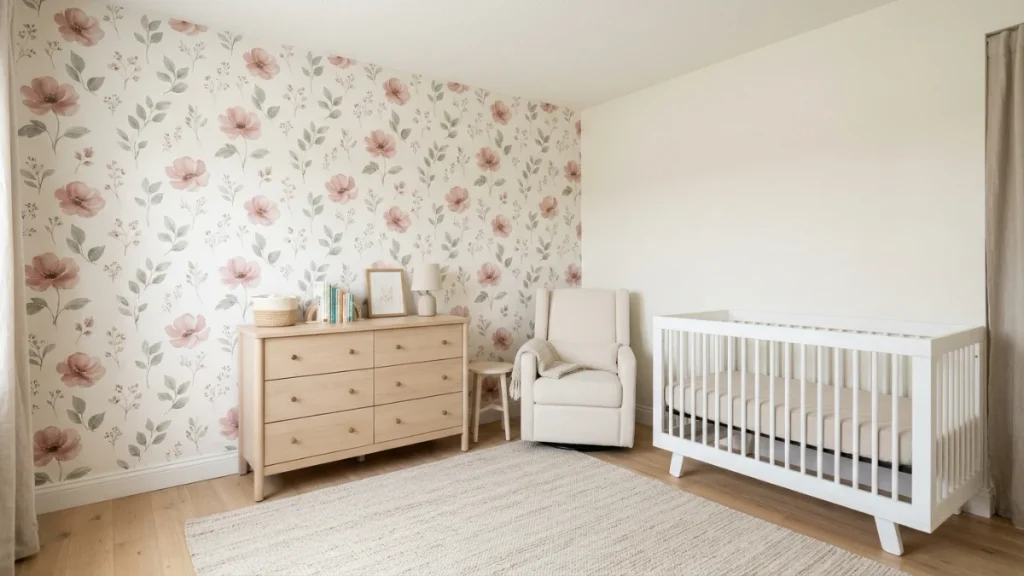
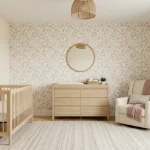
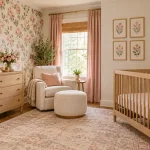
Floral wallpaper is an effective way to introduce pattern and color without filling the room with small decorative objects.
Large botanical prints create a bold focal point, while delicate flowers give the room a more traditional appearance.
For a gentle nursery palette, consider dusty rose, muted sage, cream, lavender, or pale peach.
A floral accent wall works particularly well behind a dresser or adult seating area. Pair it with simple furniture and plain surrounding walls to keep the pattern from dominating the room.
How to style it:
- Choose one wallpapered wall rather than covering every surface.
- Repeat one color from the pattern in a rug or chair.
- Keep nearby furniture simple.
- Use smaller patterns for a subtle effect and larger patterns for a stronger statement.
Best for: Traditional, cottage-inspired, and romantic nurseries.
Practical consideration: Check wallpaper compatibility with the wall surface, cleaning requirements, and installation instructions. Avoid loose edges or peeling material where a child could reach them.
2. Personalized Name Art for a Meaningful Touch
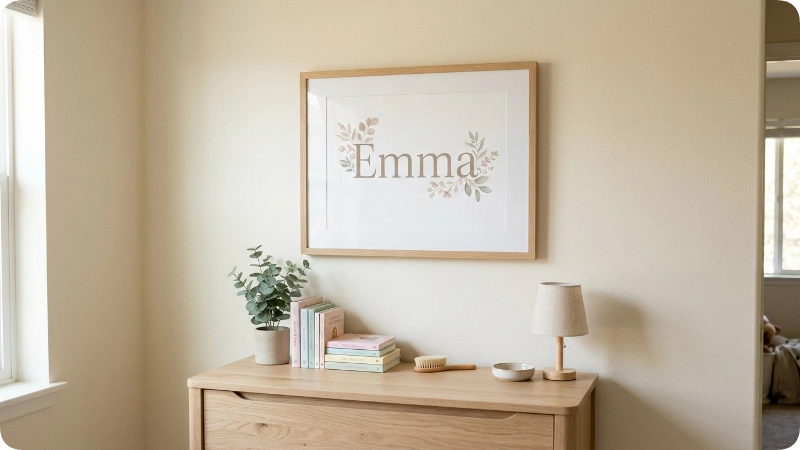
Personalized name artwork gives the nursery an individual focal point without requiring a complete decorating theme.
A framed name print can be simple and modern, while painted lettering or custom typography can feel more playful.
For a classic nursery, choose a serif font with delicate botanical details. For a modern room, use clean lettering and restrained colors.
How to style it:
- Choose lettering that coordinates with the room’s overall design.
- Use a frame finish that complements the furniture.
- Keep the surrounding wall relatively uncluttered.
- Position the artwork where it can be securely mounted away from the crib.
Best for: Parents who want personal decor that can remain meaningful as their child grows.
Practical consideration: Individual wooden or acrylic letters require secure installation. Avoid relying on unsuitable adhesives, especially for heavier pieces.
3. Botanical Prints for a Calm, Nature-Inspired Look
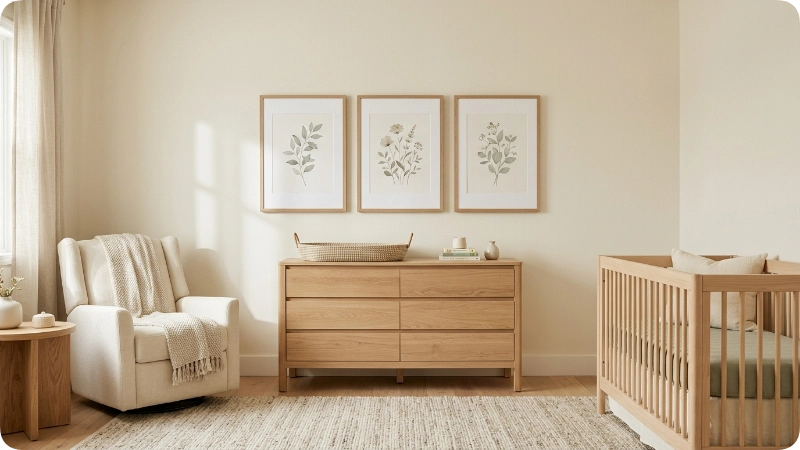
Botanical wall art introduces natural shapes and muted colors without committing to a bold wallpaper pattern.
Leaves, wildflowers, branches, and simple plant illustrations work well with light wood furniture and neutral walls.
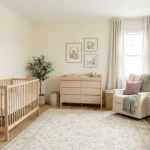
A set of three coordinating prints can create a balanced display above an anchored dresser.
For a more minimal look, choose one oversized botanical illustration instead.
How to style it:
- Use matching or complementary frames.
- Choose artwork with similar background colors.
- Arrange prints with consistent spacing.
- Keep the display away from the crib and out of reach.
Best for: Woodland, Scandinavian-inspired, neutral, and vintage nurseries.
Design tip: Cream backgrounds and muted green illustrations can make separate prints feel like a coordinated collection.
4. Painted Arches for Modern Nursery Walls
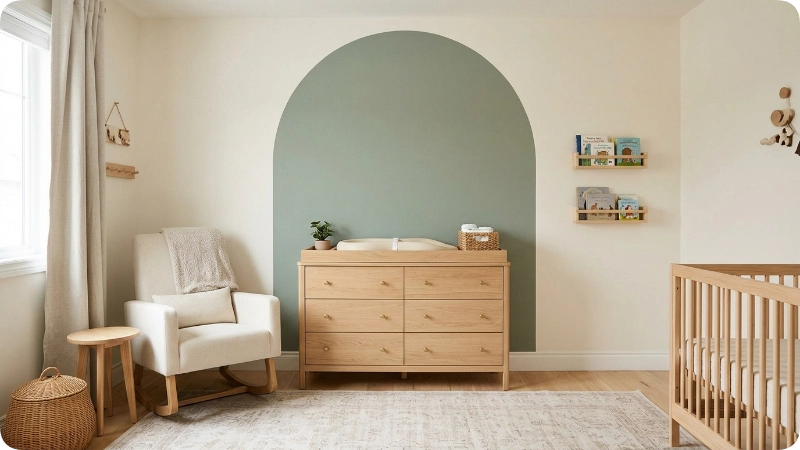
A painted arch adds shape and color without introducing additional furniture or hanging decorations.
It works particularly well behind a dresser because the painted form visually frames the furniture.
Muted sage, dusty pink, warm beige, and soft terracotta are useful choices.
To create a balanced composition, make the arch slightly wider than the furniture beneath it. This is a design guideline rather than a fixed measurement.
How to style it:
- Select a wall away from the crib.
- Measure the furniture before marking the arch.
- Use a curved template to establish the shape.
- Choose a paint finish appropriate for the room.
- Follow the manufacturer’s ventilation and curing instructions.
Best for: Modern, minimalist, and budget-conscious nurseries.
Design tip: Leave the painted arch unadorned if it already creates a clear focal point.
5. Butterfly Wall Art for a Delicate, Playful Room
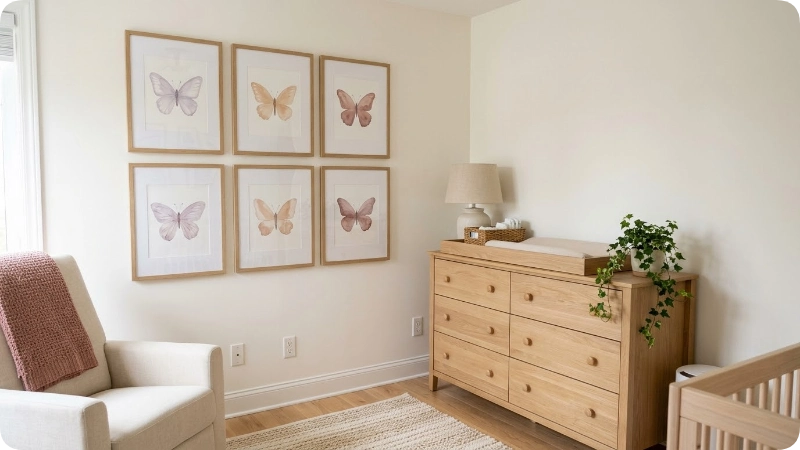
Butterfly illustrations can introduce gentle movement and color to a nursery wall.
Watercolor butterflies feel soft and traditional, while line-art butterflies suit modern interiors.
A small gallery of butterfly prints can work well near a dresser or adult reading chair.
Lavender, pale peach, dusty rose, and ivory create a coordinated palette without requiring bright colors.
How to style it:
- Choose one illustration style.
- Use similar frames.
- Group the artwork rather than scattering it across the room.
- Balance the decorative wall with plain surrounding surfaces.
Best for: Soft pastel and garden-inspired nurseries.
Safety consideration: Avoid loose paper butterflies or dimensional adhesive decorations near the crib, where they could detach or become reachable.
6. Rainbow Murals for Gentle Color
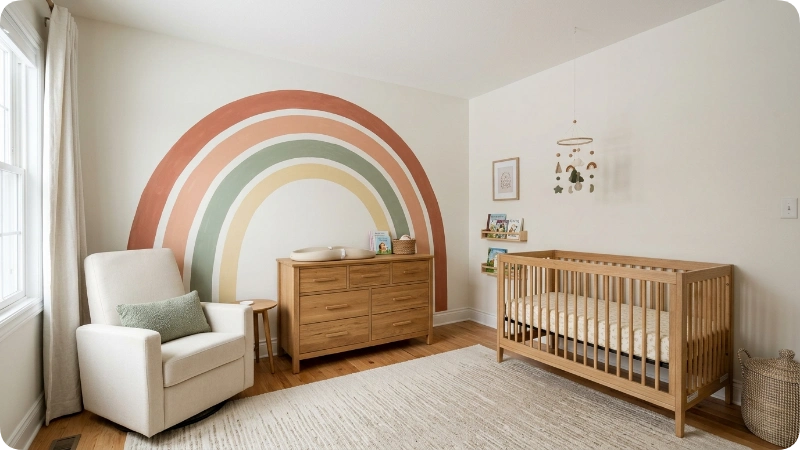
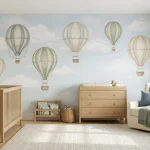
A rainbow mural can make a nursery cheerful without overwhelming the room.
Muted colors such as peach, sage, terracotta, pale yellow, and dusty pink work well with natural wood furniture.
A large rainbow can serve as the main decorative feature, reducing the need for additional artwork.
How to style it:
- Use a warm neutral wall as the background.
- Choose a limited palette of complementary colors.
- Place the mural on a wall away from the crib.
- Keep furniture and nearby accessories simple.
Best for: Playful, modern, and boho-inspired nurseries.
Design tip: A painted rainbow can be easier to coordinate than several separate rainbow-themed accessories.
7. Woodland Animal Prints for a Storybook Feel
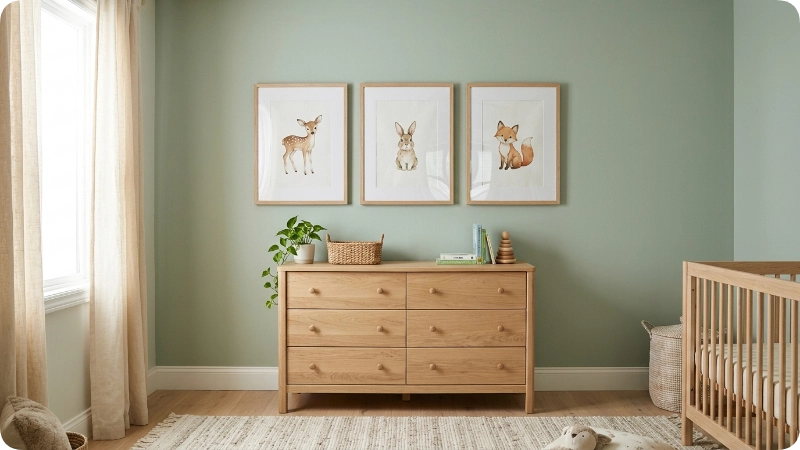
Woodland animal illustrations bring gentle character to the nursery.
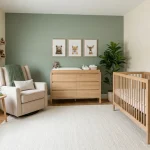
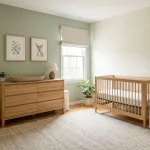
Deer, rabbits, foxes, and birds work particularly well with sage green, cream, and natural wood.
Choose artwork with a consistent illustration style so the display feels intentional.
A trio of framed animal prints can create a clear focal point above a dresser, provided the artwork is securely mounted and away from the crib.
How to style it:
- Select two or three coordinating illustrations.
- Use natural wood or white frames.
- Keep the surrounding wall color simple.
- Repeat subtle woodland colors elsewhere in the room.
Best for: Best for: Woodland and storybook-inspired nurseries.
Design tip: Watercolor illustrations often coordinate well with soft nursery palettes because their colors are less visually intense than bright cartoon artwork.
8. Celestial Wall Decor With Moons and Stars
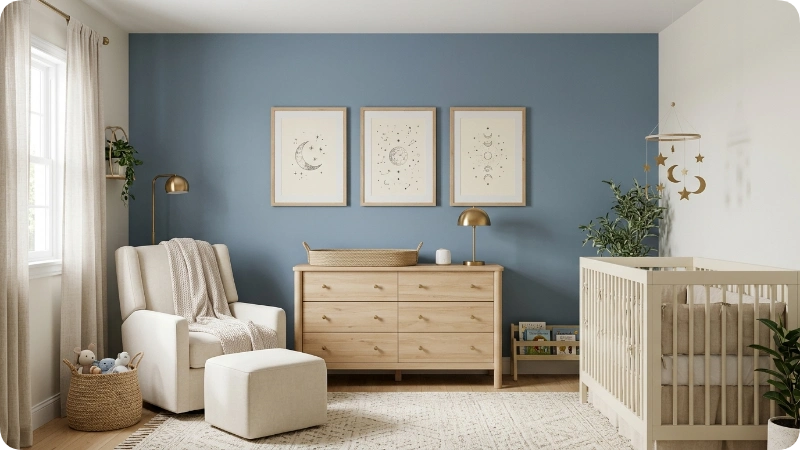
Moon and star decorations can create a dreamy atmosphere without requiring elaborate furniture.
A celestial wall may use framed illustrations, painted details, or wallpaper with a subtle night-sky pattern.
Muted navy, lavender, warm gray, cream, and brushed gold can work together.
For a darker accent wall, use light-colored furniture to create contrast.
How to style it:
- Choose one celestial motif as the focus.
- Keep metallic details restrained.
- Use framed artwork rather than loose hanging garlands.
- Position decorations away from the sleep area.
Best for: Dreamy, modern, and imaginative nurseries.
Design tip: A few well-spaced moon and star illustrations can feel calmer than a wall covered with numerous small decals.
9. Simple Gallery Walls With Coordinated Frames
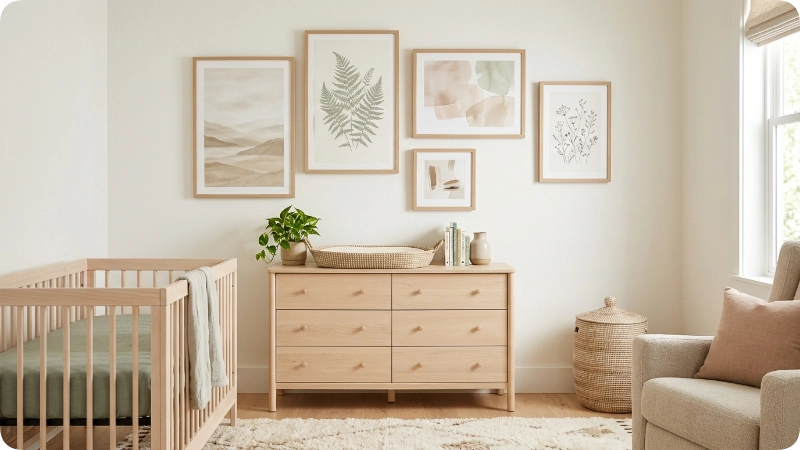
A gallery wall is useful when you want to display several meaningful pieces without creating separate decorative areas.
You can combine botanical artwork, family photographs, and abstract prints, provided the colors and frame finishes work together.
The arrangement can be symmetrical for a traditional look or loosely balanced for a more casual style.
How to style it:
- Arrange the frames on the floor first.
- Choose a consistent frame color or finish.
- Maintain deliberate spacing.
- Center the overall composition relative to nearby furniture.
- Use appropriate mounting hardware for each piece.
Best for: Nurseries with an open wall near storage furniture or adult seating.
Design tip: A small collection of larger frames can look more organized than numerous tiny pictures.
10. Color-Blocked Walls for a Clean, Contemporary Look
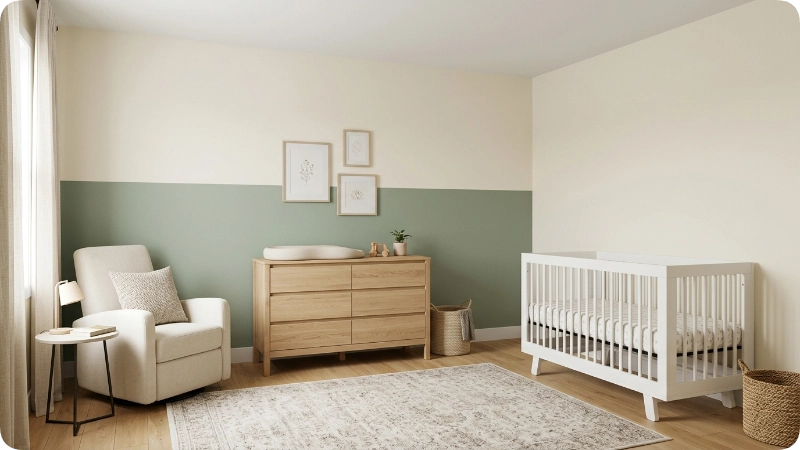
Color blocking uses simple painted shapes or sections to add visual interest.
A horizontal division can give a nursery a grounded appearance, while a vertical color block can help define a reading or changing area.
Try sage with ivory, dusty rose with cream, or pale blue with warm white.
How to style it:
- Choose two compatible colors.
- Decide If a horizontal or vertical division suits the room.
- Mark the boundary carefully.
- Use suitable painter’s tape.
- Repeat one accent color in a small number of accessories.
Best for: Contemporary nurseries and shared bedrooms.
Design tip: Horizontal color blocking can visually connect furniture pieces along the same wall.
11. Textured Wallpaper for Subtle Interest
Textured wallpaper adds depth without relying on strong colors or illustrations.
Linen-look and woven-effect wallpapers can make a neutral nursery feel warmer.
These surfaces work particularly well with simple furniture and natural materials.
How to style it:
- Choose a subtle texture.
- Use it on one feature wall.
- Keep furniture shapes simple.
- Check cleaning and installation requirements.
- Avoid loose fibers or peeling materials that could become accessible.
Best for: Neutral, minimalist, and Scandinavian-inspired nurseries.
Design tip: Test a large wallpaper sample under both natural and artificial light because surface texture can appear different throughout the day.
12. A Decorated Reading Corner Wall
A reading corner offers an opportunity to combine wall decor with a practical activity area.
A framed storybook illustration, a painted color block, or a small gallery wall can help define the space.
Choose artwork that supports the room’s colors without making the corner visually crowded.
How to style it:
- Position a comfortable adult chair.
- Add securely mounted artwork on a nearby wall.
- Use stable, appropriately anchored book storage.
- Keep lighting cords inaccessible.
- Maintain clear walking space.
Best for: Nurseries with room for a feeding or reading chair.
Design tip: Use wall art instead of additional shelves if the corner is narrow.
How to Choose the Right Girl Nursery Wall Decor
Choosing between wallpaper, artwork, murals, and painted features becomes easier when you consider the amount of change you want to make.
| Decor option | Visual effect | Commitment | Suitable setting |
| Framed artwork | Flexible focal point | Low | Most nursery styles |
| Personalized prints | Individual character | Low | Dresser or seating wall |
| Floral wallpaper | Strong pattern | Medium to high | Feature wall |
| Painted arch | Defined shape | Medium | Dresser area |
| Rainbow mural | Playful color | Medium | Accent wall |
| Gallery wall | Layered visual interest | Low to medium | Larger clear wall |
| Color blocking | Clean geometric look | Medium | Modern or shared room |
| Textured wallpaper | Subtle depth | Medium to high | Neutral interiors |
Commitment refers to how easily the design can generally be changed, not to its installation safety. The actual effort depends on the wall, materials, and mounting method.
For Small Nurseries
Choose one clear focal point.
A painted arch, a single large print, or a compact gallery wall can add personality without filling every available surface.
Keep the surrounding walls relatively plain so the room doesn’t feel visually crowded.
For Rental Homes
Framed artwork and removable products may be easier to change than wallpaper or paneling.
However, removable adhesives can still damage paint or leave residue. Check your rental agreement and test products before applying them across a large area.
For Neutral Nurseries
Use wall decor to introduce color without changing the furniture.
Botanical prints, soft rainbow artwork, and painted color blocks can work well with white, cream, or natural wood furniture.
Where to Place Wall Decor in a Nursery
Wall placement matters because nursery furniture and decorations must remain practical as the child grows.
Around the Crib
Keep the area above and immediately around the crib free from shelves, mirrors, framed artwork, garlands, and other objects that could fall or become reachable.
A plain painted wall can still look attractive and provides a flexible background for the crib.
Above a Dresser
A securely anchored dresser can provide a visual reference point for framed artwork, personalized prints, or painted wall features.
Install artwork using hardware appropriate for the wall and item weight. Keep decorations and small objects out of reach during diaper changes.
Near a Feeding Chair
A wall near an adult feeding chair is a useful location for a small gallery or large statement print.
Choose decorations that don’t interfere with lighting, movement, or everyday care.
Common Mistakes to Avoid
Decorating before arranging furniture: Position the crib, dresser, and seating first. This helps identify suitable walls for decorative features.
Using too many small accessories: A large collection of tiny prints can make the wall feel scattered. Group artwork or choose fewer, larger pieces.
Mixing unrelated colors: Choose a consistent palette so different decorative elements feel connected.
Ignoring wall proportions: Oversized artwork can overwhelm a narrow wall, while tiny prints may look lost on a large surface.
Using unsuitable mounting methods: Match hardware to the wall construction and the object’s weight. Adhesive products have limitations and should not be assumed safe for heavy decorations.
Forgetting future reach: As babies become mobile, decorations that were once inaccessible may become reachable. Reassess the room regularly.
Safety Considerations for Nursery Wall Decorations
Wall decor should never introduce avoidable hazards around a baby’s sleeping or care areas.
For U.S. nurseries, consult current guidance from the American Academy of Pediatrics and Consumer Product Safety Commission.
Important precautions include:
- Keep hanging decorations, shelves, and heavy objects away from the crib.
- Securely mount framed artwork using appropriate hardware.
- Anchor furniture that could tip.
- Keep electrical cords and window-covering cords inaccessible.
- Avoid loose decorative pieces that could become choking hazards.
- Follow manufacturer instructions for wallpaper, paint, and adhesive products.
- Use appropriate precautions when working with older painted surfaces that may contain lead.
If a project involves electrical wiring or complex structural installation, use a qualified professional where appropriate.
A nursery should remain safe as the child develops new abilities, not just when the room is first decorated.
Frequently Asked Questions
What colors work best for girl nursery wall decor?
Soft sage, dusty rose, lavender, cream, pale peach, and muted blue can all work well. Choose colors that complement the furniture and lighting rather than following a fixed gender-based palette.
Can I decorate nursery walls without wallpaper?
Yes. Framed artwork, painted arches, color blocking, and personalized prints can create a coordinated nursery without wallpaper.
Is it safe to hang wall art above a crib?
Avoid placing framed artwork or other objects above the crib where they could fall into the sleep area. Use a different wall and mount decorations securely.
How many pictures should I hang on a nursery wall?
There is no fixed number. A single large print or a small coordinated gallery can both work. Choose the arrangement based on the wall’s size and the furniture beneath it.
What nursery wall decor is easiest to change later?
Framed prints are generally among the easiest options to replace or rearrange. Removable decals can also offer flexibility, but their effect on paint depends on the product and wall surface.
Conclusion
Girl nursery wall decor can be simple, colorful, traditional, or modern. Floral wallpaper, personalized prints, botanical artwork, painted arches, and gentle murals each offer a different way to make the room feel welcoming.
Start with the furniture layout, choose one decorative focal point, and build around a small color palette. Leave the crib area free from hanging objects and keep all decorations securely installed and out of reach.
A thoughtfully decorated nursery doesn’t need every wall filled. A few well-chosen details can give the room character while leaving space for everyday

I am Emma Brooks, a passionate Interior Design Writer and Home Décor Enthusiast at Decoridia. I share well-researched content on home décor, interior design, DIY decorating ideas, furniture selection, color palettes, home organization, and seasonal styling, helping readers create beautiful, functional, and inspiring living spaces for every lifestyle.